Biggest Sachtler Ace M Ms Mk Ii Buying Mistakes (And How to Avoid Them)
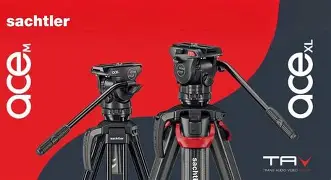
Choosing the right tripod head and system for video work is one of the most consequential decisions a shooter makes. The Sachtler Ace series—often appearing in model names such as Sachtler Ace M, Ace MS, and various revisions like Mk II—is popular with documentary makers, ENG shooters, corporate video teams, and serious hobbyists because it combines approachable ergonomics with Sachtler's reputation for smooth fluid drag. Yet buyers frequently make avoidable mistakes when selecting, configuring, and using these heads. This article explains the most common missteps specific to the Ace M / Ace MS / Ace Mk II family, how those mistakes manifest in real-world shoots, and concrete steps to avoid them.
Introduction: Why the Ace family attracts mixed decisions
Sachtler's Ace family targets a broad band of users: people who need better fluid performance than entry-level heads but who aren't looking to carry or invest in full studio systems. That middle ground leads to two predictable buyer behaviors. First, users assume any mid-range head will cover all tasks—run-and-gun, studio interviews, voiceover, gimbal-assisted B-roll—without adjusting their rigting. Second, model naming and small spec differences can be misunderstood or overlooked at purchase, producing mismatches between gear and intended use. The result can be a tripod head that struggles to balance a loaded camera, a setup that's heavier than it needs to be for handheld replacement, or a system that cannot be adapted without extra purchases.
Detailed product analysis: What the Ace M / Ace MS / Mk II bring to video workflows
At their core, Ace heads offer:
- Fluid pan and tilt designed to smooth small operator inputs for natural camera moves during interviews and event coverage.
- User-friendly controls—typically simple knobs or levers for drag and counterbalance—so shooters can make rapid adjustments on set.
- Light-to-moderate payload support aimed at mirrorless and small cinema cameras, compact camcorders, and smaller ENG rigs.
The differences between the Ace M, Ace MS, and later revisions like an Mk II are subtle but important in practice. Manufacturers iterate on cartridge damping, mechanical finish, and accessory compatibility. A revised model may have smoother drag, a refined balance mechanism, or improved quick-release plate ergonomics. For buyers, those changes matter only if the chosen head matches the rig and shooting scenarios.
Real-world use cases
Understanding buyer mistakes is easier when grounded in typical use cases:
- Independent documentary/short film shoots: Operators often bring slower lenses and audio rigs, increasing total payload and shifting balance points. A head that performs well with a small mirrorless body may feel marginal once matte boxes, wireless receivers, and heavier lenses are added.
- Run-and-gun news/ENG: Speed is crucial—attachment systems, drag settings, and quick-release plates must be rock-solid. If the plate system on an Ace variant is not compatible with a camera's plate or the operator's workflow, precious seconds are lost during shot changes.
- Corporate interviews and controlled shoots: Smooth pan/tilt is the priority. A well-balanced Ace head can produce cinematic pushes and reveals, but only if counterbalance and drag are set correctly and the tripod legs provide a stable base on sometimes slick studio floors.
- Event and run-of-show B-roll: Operators want portability and reliability. Choosing a heavier Ace variant or mismatching legs can defeat the portability advantage.
Common performance pinch points
Buyers frequently report the same issues when the head choice is suboptimal:
- Under-performance with added accessories: Adding microphones, monitors, or matte boxes can shift the center of gravity forward. Without enough counterbalance or a properly rated payload, tilt control becomes jerky.
- Confusion over model differences: Small changes across model revisions—drag cartridges, top plate style, or included plates—lead to unexpected incompatibilities.
- Tripod leg mismatch: A smooth head still needs a stable set of legs. Light, compact legs can be wobbly when paired with a head carrying heavier lenses.
Pros & Cons
- Pros:
- Strong ergonomics and familiar Sachtler controls make adjustment fast on set
- Generally smooth fluid drag suitable for interviews and documentary work
- Designed for a broad range of consumer-to-prosumer cameras
- Portability compared with studio heads—sensible for single-operator work
- Cons:
- Potential for mismatched payload with heavier modern rigs unless carefully selected
- Model and revision naming can cause buyer confusion about exact specs
- Some users find accessory ecosystems (plates, adapters) require additional purchases
- Legs sold separately or in different configurations may add unexpected weight or cost
Comparison: Ace M vs Ace MS vs Mk II (practical differences)
| Model | Typical Payload | Best For | Notable Head Features | Practical Recommendation |
|---|---|---|---|---|
| Ace M | Light to light-medium mirrorless and compact camcorders | Documentaries, run-and-gun, solo operators using small lenses | Compact footprint, simple drag and balance controls | Good starter option—confirm actual rig weight and test balance before purchase |
| Ace MS | Light to medium payloads (slightly broader than "M") | Small ENG rigs, heavier mirrorless bodies with faster lenses | Often includes refined drag range and slightly stronger counterbalance | Choose when additional accessories are expected; still verify plate compatibility |
| Ace Mk II | Similar target payload as M/MS but with incremental improvements | Those wanting latest refinements in ergonomics and damping | Updated damping cartridges, improved knobs/handles on some revisions | Preferable if buying new and budget allows; check whether improvements match needs |
Note: Sachtler periodically updates models and accessories. Exact specifications and payload ratings should be checked from official documentation or a trusted dealer before purchase. The comparison above is focused on practical differences buyers encounter rather than exhaustive spec sheets.
Top buying mistakes and how they create problems on set
Mistake 1 — Buying by model name, not by payload and balance
Why it happens: Model names (M, MS, Mk II) are compact and easy to parse, so buyers use them as a shorthand for capability. In reality, the deciding factor is the total weight and center of gravity of the camera rig.
How it shows up: The tilt feels unstable once an external monitor or wireless receiver is added. Tilting quickly causes a drop or slow drift, making it hard to capture smooth motion.
How to avoid it: Weigh the complete rig—including lens, batteries, and accessories—and balance it on a similar head before buying. If possible, test the camera mounted to the exact head and tripod combination with the usual accessories attached.
Mistake 2 — Ignoring quick-release plate compatibility
Why it happens: Quick-release plates can vary between brands and models. Buyers assume standardization where it doesn’t exist.
How it shows up: Operators lose time swapping plates between camera and head, leading to hurried, insecure attachments on live shoots.
Discover deals on Cameras & Photography — updated daily.
Browse Now →How to avoid it: Confirm the plate type included with the Ace head (or buy a known-compatible plate). If a video production workflow uses multiple cameras, standardize plates or carry a set of adapter plates to avoid delays.
Mistake 3 — Prioritizing weight savings over stability
Why it happens: Portability is desirable, especially for single-operator teams. A lighter head and long, skinny legs look appealing.
How it shows up: The tripod flexes when making pans, or wind at outdoor shoots causes wobble. Photographers find their carefully framed slow pushes become jarring.
How to avoid it: Match the head rating to your heaviest typical rig and choose legs with enough spread and stiffness. Consider carbon fiber legs if weight is a concern, but test them with the actual head and payload—light doesn't always mean stable.
Mistake 4 — Not understanding counterbalance and drag settings
Why it happens: Camera operators new to fluid heads treat knobs as "one size fits all" and keep them at default positions.
How it shows up: The camera either drops when tilted quickly or resists movement, making smooth ramps and follow shots difficult.
How to avoid it: Learn how to set counterbalance and drag before an important shoot. Practice performing common camera moves and note adjustments for different lens setups. If available, consult the manual or Sachtler's user resources for recommended settings ranges.
Mistake 5 — Expecting a head to solve a weak foundation
Why it happens: Buyers believe upgrading the head will fix shaky footage without addressing leg wear, ground conditions, or head mounting interfaces.
How it shows up: The head performs well in isolation but the overall support system introduces micro-motion and drift.
How to avoid it: Inspect and test the entire tripod system. Replace worn leg locks, invest in a mid-level spreader for event work, and use appropriate bases or sandbags when grounding the tripod on slick surfaces.
Buying guide: Choosing the right Ace variant and complementary gear
This section summarizes practical steps and priorities to prevent the pitfalls above.
Discover deals on Cameras & Photography — updated daily.
View Offers →1. Start with a realistic payload calculation
Include camera body, largest lens, battery, microphone, wireless receivers, monitors, matte box, and any rigging that shifts the center of gravity forward. Add a 10–20% margin to account for future accessories.
2. Verify manufacturer-rated payload and real-world balance
Check the rated payload for the model under consideration, then test balance with the actual camera. If local testing is not possible, ask a retailer or rental house for a demo. A head’s counterbalance range matters more than a single maximum number—being at the limit of counterbalance can still feel unstable.
3. Confirm plate and bowl compatibility
Look at the plate system (proprietary vs Arca-type, included plate model) and bowl size/type if integrating with studio rigs. Bowl size affects compatibility with fluid heads and studio pedestals—ensure the head mates cleanly with the chosen legs or base.
4. Choose legs and spreader to match the head
Select legs that provide a stable platform at the weight of your fully loaded rig. Mid-level spreaders are beneficial for run-and-gun and event work; full spreaders are useful for studio applications. Material (aluminum vs carbon fiber) should balance budget, weight, and stiffness needs.
5. Try before you commit
Practical testing under the same conditions expected on shoots (outdoors in wind, indoors with crowded floors) reveals real-world behavior. If buying used, inspect for play in pan/tilt mechanisms and check plate surfaces for wear.
6. Plan for accessories and maintenance
Common useful accessories include additional plates, a dedicated carrying case, spare knobs, and periodic service. Factor these into the total cost of ownership; an otherwise perfect head can be compromised by missing or incompatible accessories.
7. Consider renting for occasional needs
If heavier lenses or lighting accessories are only used sporadically, renting a higher-capacity head or different tripod for those specific shoots can be more economical than permanently upgrading to a larger, heavier system.
Maintenance and longevity tips
Proper care extends the life and preserves the performance of any tripod head:
- Keep moving parts clean and free of grit—dust and sand are common killers in outdoor use.
- Protect threads, plate surfaces, and knobs from impacts during transport.
- Service fluid cartridges and bearings according to manufacturer recommendations, particularly if the head is used in extreme temperature or humidity conditions.
- Store plates screwed loosely into the camera to avoid misplacing them—however, avoid overtightening when mounting.
Checklist before purchase
- Calculate full rig weight (include accessories) and add a safety margin.
- Confirm the model's counterbalance range will cover the rig’s center of gravity.
- Ensure plate compatibility with cameras in active rotation.
- Match tripod legs and spreader to head and payload.
- Test the combination in realistic shooting scenarios if possible.
- Factor in the cost and availability of replacement parts and service.
Conclusion
The Sachtler Ace M, Ace MS, and their revisions like Mk II are attractive choices for many working shooters because they offer a balance of smooth fluid performance and manageable weight. However, the most common buyer mistakes—relying on model names instead of payload math, ignoring plate and bowl compatibility, prioritizing weight at the expense of stability, and assuming one-size-fits-all settings—are easily avoided with a little preparation.
By measuring actual rig weight, testing balance with intended accessories, matching tripod legs appropriately, and understanding the role of counterbalance and drag, a buyer can ensure the Ace head they choose performs reliably on the first day of production and for years after. For many users, the best investment is not simply the newest variant on the shelf, but the right combination of head, plates, and legs that suits the shooting profile in practice.